Source Floor Heating Cable for Pipes, Tanks, and Roofs
Find and compare 16 Floor Heating Cable options for pipe, tank, and roof freeze protection. These electric heating systems offer customizable wattage, insulation materials like FEP and PVC, and various certifications including CE and RoHS to meet diverse industrial and residential needs.
Key considerations
Products List

$0.40 - $1.00
MOQ: 500 Meters


Comprehensive Sourcing Guide
Floor Heating Cable Sourcing Guide
Sourcing floor heating cables requires a disciplined approach to technical verification and supplier qualification, as these products form the critical thermal infrastructure for residential and commercial spaces. The market offers a diverse range of insulated heating elements, typically constructed with stranded conductors and specialized insulation materials such as FEP, XLPE, or PVC. Buyers must navigate a landscape where customization is prevalent, with manufacturers offering tailored solutions for specific wattage outputs, cable thicknesses, and jacket colors. Understanding the fundamental construction of these cables, including the distinction between twin conductor designs and single-core variants, is essential for aligning product selection with the thermal load requirements of the intended installation area.
The procurement process is further complicated by the variety of certification standards and regional compliance requirements that vary by destination market. Suppliers often list multiple certifications, including CE, RoHS, EAC, CSA, and TUV, indicating a broad export capability but requiring careful validation of the specific certificates applicable to the buyer’s jurisdiction. Additionally, the origin of manufacturing, predominantly observed in regions like Anhui, China, suggests a mature supply chain for electric heating systems, yet it necessitates rigorous due diligence regarding quality control and after-sales support structures. This guide provides a structured framework for evaluating floor heating cables based on observed market data and trusted industry knowledge, ensuring that procurement decisions are grounded in verifiable technical and commercial facts.
Product Scope and Observed Listing Signals
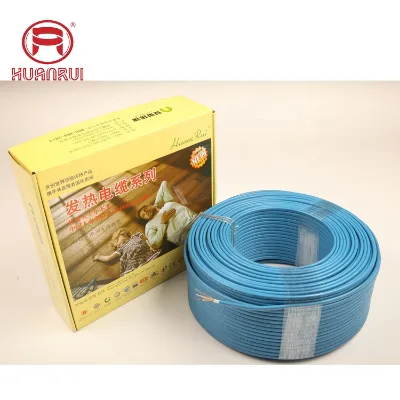
The current market for floor heating cables presents a wide spectrum of product configurations, characterized by significant variability in power output and physical dimensions. Observed listings indicate a power range spanning from 6W to 40W per meter, with specific models offering linear power outputs of 12W/M or 15W/M, and others rated at 20W/M. This variation allows buyers to select cables that match the precise thermal density required for different floor types, such as tile, wood, or concrete. The insulation materials are predominantly fluoroplastic or FEP, providing high-temperature resistance and durability, while the protective jackets are commonly made of PVC, available in standard colors like blue, red, and black, or customized to meet specific aesthetic or identification needs.
Physical specifications also vary considerably across suppliers, with cable thicknesses observed at 3.6mm and 5.0mm, reflecting differences in insulation layers and protective sheathing. The cold tail length, which is the non-heating section used for connection to the power source, is typically standardized at 2.5m in many listings, facilitating easier installation within electrical boxes. Furthermore, the conductor material is often specified as alloy or copper wire, with stranded construction being a common feature to enhance flexibility and resistance to mechanical stress during installation. Buyers should note that while some products are described as "Uth-Cable" or "Scw-Cable," these appear to be internal model designations rather than universal industry standards, emphasizing the need to focus on functional specifications rather than proprietary naming conventions.
Technical Specifications to Verify
When evaluating floor heating cables, the first technical parameter to verify is the rated voltage and power consistency, as these directly impact the heating efficiency and safety of the system. Most observed products operate at 110V or 220V, and buyers must ensure that the selected cable matches the electrical infrastructure of the installation site. The resistance tolerance is a critical quality indicator, with some suppliers specifying a range of +10/-5%, which affects the uniformity of heat distribution. It is essential to confirm that the linear power output remains stable across the entire length of the cable, as deviations can lead to cold spots or overheating, potentially compromising the integrity of the flooring material above.
The construction details, including the type of connector and the maximum exposure temperature, are equally important for long-term reliability. Many listings feature an "out splice" connector, which must be inspected for waterproofing and mechanical strength, as this is a common point of failure in heating systems. The maximum exposure temperature, observed at up to 205 degrees in some high-performance variants, indicates the cable's ability to withstand high ambient heat without degradation, which is particularly relevant for installations near other heat sources or in high-traffic commercial areas. Buyers should also verify the insulation material's compatibility with the jacket material, ensuring that there are no chemical interactions that could degrade the cable over time, especially in environments with high humidity or chemical exposure.
Compliance and Safety Documentation
Compliance with international safety standards is non-negotiable for floor heating cables, given their direct contact with living spaces and reliance on electrical power. Buyers must request and verify certificates such as CE, RoHS, EAC, CSA, TUV, and ISO9001, ensuring that each certificate is valid and applicable to the specific product model being purchased. The presence of multiple certifications suggests a supplier's capability to serve diverse markets, but it is crucial to confirm that the documentation corresponds to the actual goods supplied, as counterfeit or expired certificates are a risk in global trade. Additionally, standards like IEC 60800 may be referenced, and buyers should verify that the product meets the specific electrical safety requirements of their local building codes.
Beyond product-level certifications, the manufacturing process should be backed by a robust quality management system, often indicated by ISO9001 certification. This ensures that the supplier adheres to consistent production practices, reducing the risk of defects such as inconsistent insulation thickness or conductor breaks. Buyers should also inquire about the testing procedures used by the supplier, including routine tests for electrical continuity, insulation resistance, and high-voltage withstand capability. While specific test results may not be publicly listed, the existence of a documented quality control protocol is a strong indicator of product reliability. Furthermore, compliance with environmental regulations, such as RoHS, ensures that the materials used in the cable are free from hazardous substances, contributing to a safer indoor environment.
Cost Drivers and Commercial Terms
The cost of floor heating cables is influenced by several factors, including the material composition, power output, and the level of customization required. Observed price ranges vary significantly, from as low as $0.08 to $30 per unit, reflecting the diversity of products from basic single-core cables to complex, customized twin-conductor systems with specialized connectors. The MOQ (Minimum Order Quantity) also plays a role in pricing, with ranges observed from 1 to 500 units, allowing for both small-scale residential projects and large commercial installations. Buyers should be aware that lower prices may correspond to standard configurations, while customized options, such as specific jacket colors or tailored cable lengths, may incur additional charges.
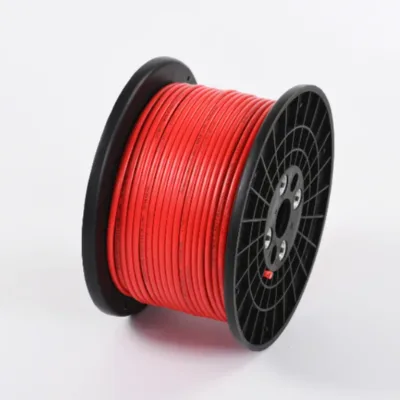
Commercial terms, including warranty and after-sales support, are critical components of the total cost of ownership. Most suppliers offer a 2-year warranty, which provides a baseline level of protection against manufacturing defects. However, buyers should clarify the scope of this warranty, including whether it covers installation errors or damage during transit. After-sales service is typically provided through online technical support, which can be sufficient for minor troubleshooting but may require on-site assistance for complex issues. The packaging method, often described as carton boxes or reels, also affects logistics costs, with heavier or bulkier packaging increasing shipping expenses. Buyers should negotiate clear terms for returns, replacements, and technical assistance to mitigate potential risks associated with the installation and operation of the heating system.
Supplier Qualification and Quality Control
Selecting a reliable supplier for floor heating cables requires a thorough assessment of their manufacturing capabilities and quality control processes. Suppliers originating from established industrial regions, such as Anhui, China, often benefit from a mature supply chain and skilled labor force, but buyers must verify their production capacity and consistency. It is advisable to request samples for independent testing before placing large orders, allowing for a direct evaluation of the cable's physical properties, such as insulation thickness, jacket flexibility, and connector quality. This hands-on verification is crucial, as visual inspection of product listings may not reveal subtle defects or material inconsistencies.
Quality control should extend beyond the final product to include the raw materials used in construction. Buyers should inquire about the source of the copper wire, alloy conductors, and fluoroplastic insulation, ensuring that they meet industry-grade specifications. The supplier's ability to provide traceability for these materials is a strong indicator of their commitment to quality. Additionally, buyers should assess the supplier's responsiveness to technical queries and their willingness to provide detailed product datasheets. A supplier that proactively shares information about their manufacturing process and quality assurance protocols is more likely to deliver consistent, high-quality products. Establishing a clear communication channel for ongoing support is also essential, as it facilitates quick resolution of any issues that may arise during or after installation.
Long-Term Procurement Checks
Long-term procurement success depends on establishing a robust framework for ongoing supplier evaluation and product performance monitoring. Buyers should implement a system for tracking the performance of installed heating cables, noting any issues related to uneven heating, electrical faults, or physical damage. This data can be used to assess the reliability of the supplier's products over time and to identify any trends that may indicate systemic quality issues. Regular audits of the supplier's quality control processes, including reviews of their testing records and certification status, help ensure that the supplier maintains high standards as their business evolves.
Furthermore, buyers should maintain a diversified supplier base to mitigate risks associated with supply chain disruptions or changes in supplier capabilities. Building relationships with multiple qualified suppliers provides flexibility in sourcing and can lead to better pricing and service terms. It is also important to stay informed about changes in industry standards and regulations, ensuring that future purchases remain compliant with evolving safety and environmental requirements. By combining rigorous initial vetting with continuous performance monitoring, buyers can secure a reliable supply of floor heating cables that meet their technical, commercial, and safety requirements over the long term.
FAQs
What certifications are available for floor heating cables?
Floor heating cables typically carry CE, RoHS, Eac, CSA, TUV, ISO9001, CCC, and VDE certifications. These documents verify compliance with international safety and environmental standards. Buyers should verify specific certificates required for their target market to ensure regulatory acceptance and product reliability during installation.
Can floor heating cables be customized for specific projects?
Yes, customization is available for floor heating cables. Manufacturers offer tailored models, insulation materials like FEP or PVC, and specific wattage outputs. Buyers can request custom lengths, colors, and connector types to match unique installation requirements and ensure optimal performance for their specific heating system design.
What is the typical voltage and power range for these cables?
These cables operate at 110V or 220V with power options ranging from 6W to 40W per meter. Specific models may offer 12W/M or 15W/M outputs. The voltage and wattage selection depends on the heating area size and desired temperature rise, ensuring efficient energy use and safe operation.
What insulation and jacket materials are used in floor heating cables?
Insulation materials often include FEP, XLPE, or FEP, while jackets are made from PVC or FEP. The conductor is typically stranded alloy or copper wire. These materials provide durable thermal resistance, electrical safety, and protection against moisture, ensuring long-term reliability in heated floor environments.
What warranty and after-sales support are provided for floor heating cables?
Products generally come with a 2-year warranty and online technical support. This service helps buyers troubleshoot installation issues or performance concerns. Reliable after-sales support ensures that any technical questions are addressed promptly, maintaining system efficiency and customer satisfaction throughout the product lifecycle.
How are floor heating cables packaged for shipping?
Cables are packaged in carton boxes or reels within cartons. This packaging protects the product during transit and storage. Proper packaging ensures that the cables remain undamaged and ready for installation, facilitating efficient handling and logistics for international buyers and distributors.